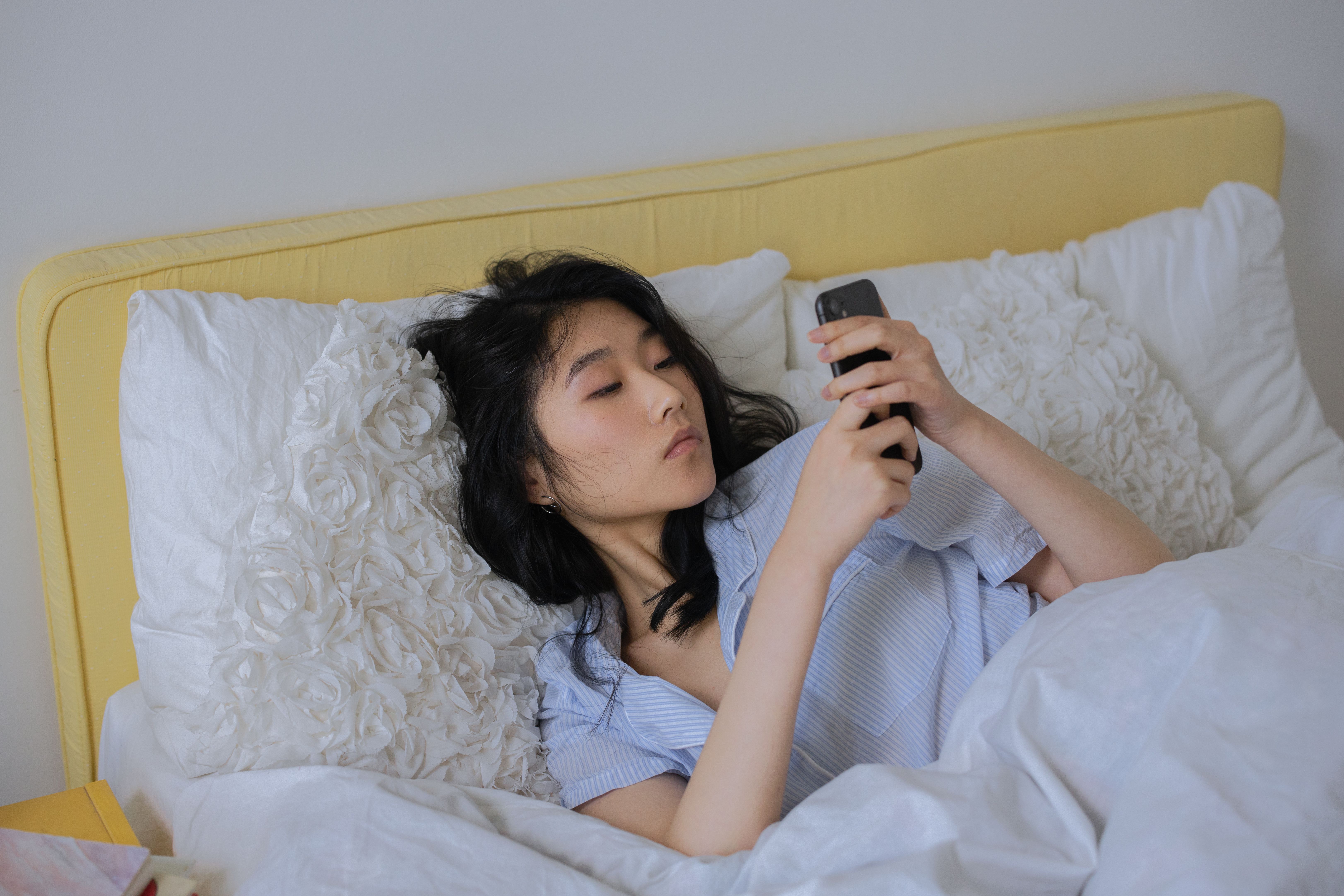
You know that strange feeling when you are exhausted all evening, waiting for the day to finally end, but the moment you get into bed, you suddenly feel wide awake? You pick up your phone, watch a few reels, check WhatsApp, reply to a message or decide that this is actually the perfect time to clean the kitchen.
Where did the tiredness go?
This sudden burst of alertness is often described as a “second wind” at night. It can be particularly frustrating when you were struggling to keep your eyes open an hour earlier. For people balancing work, commuting, household responsibilities and family time, late-night energy can become a familiar pattern.
The strange part is that feeling awake at night doesn't necessarily mean you no longer need sleep. Your body's internal clock, accumulated sleep pressure, evening habits, light exposure and even the stress of the day can all influence how sleepy or alert you feel.
Why Do You Suddenly Feel Energetic at Night?
Sleepiness isn't controlled by just one system. As the day progresses, a substance called adenosine gradually builds up in the brain and contributes to what scientists call sleep pressure. In simple terms, the longer you stay awake, the stronger the biological drive for sleep tends to become.
At the same time, your circadian rhythm—the body's internal 24-hour clock—continues to influence alertness. It doesn't simply switch from “awake” to “sleepy” as the evening progresses. There can be periods when the circadian system temporarily promotes wakefulness, even when sleep pressure has already accumulated.
That is why you might feel exhausted at 9.30 pm, become surprisingly alert at 10.30 pm and then find yourself staring at the ceiling at midnight. The tiredness hasn't necessarily disappeared. Your sleep pressure and circadian alerting signals are simply interacting in a way that can make your energy levels feel unpredictable.
The Evening Habits That Can Create a Second Wind
Your routine can make a difference too. If your evenings regularly involve bright lights, television, phone scrolling, work messages or stimulating conversations, your brain may continue receiving signals that it is time to stay engaged rather than wind down.
There is also something emotional about late evenings. After a full day of work, commuting, cooking, household responsibilities and answering everyone else's needs, nighttime may finally feel like your own. You suddenly have no one asking for your attention, and that quiet can feel too valuable to give up.
This is one reason some people stay awake even when they know they should sleep. The late-night energy may not be pure physical energy at all. It can be the relief of finally having uninterrupted personal time, combined with stimulation and a mind that has not yet finished processing the day.
When “Me Time” Steals Your Sleep
There is a name for one version of this habit: revenge bedtime procrastination. It refers to deliberately staying awake later than intended because you feel that the day did not give you enough time for yourself.
Imagine spending the whole day working, travelling, answering calls, preparing meals and dealing with family responsibilities. When everything finally becomes quiet, going straight to bed can feel like surrendering the only part of the day that belongs to you.
The problem is that those extra hours usually come from tomorrow's sleep. You may enjoy your peaceful midnight routine, but wake up tired, promise yourself you will sleep earlier that night and then repeat the same pattern. Eventually, the body can end up paying for the personal time the mind was trying to protect.
Why Can't You Sleep When You're Tired?
Late-night phone use is another familiar part of the picture. You may pick up your phone intending to check one message and suddenly realise that half an hour has passed. One video leads to another, a notification leads to a conversation and eventually you are much more awake than when you first got into bed.
Light exposure in the evening can influence the timing of the body's sleep signals, while stimulating content can keep the brain mentally engaged. It is not that using a phone before bed automatically causes poor sleep for everyone. Duration, brightness, content and individual sensitivity all matter.
The bigger issue is often what the final hour of the day looks like. If it is filled with work emails, upsetting news, social media arguments or constant notifications, the mind gets very little opportunity to slow down. Going directly from high stimulation to “Now I must sleep” isn't always an easy transition.
What Can You Do When the Second Wind Arrives?
You don't necessarily have to force yourself to sleep the moment you notice that you are suddenly alert. Instead, try creating a gentler transition towards bedtime. Lower the lights, put some distance between yourself and stimulating content, and keep your sleep and wake times reasonably consistent.
It can also help to protect some personal time earlier in the evening. If nighttime is the only opportunity you have to read, watch something you enjoy, talk to a friend or simply sit alone with a cup of tea, it is understandable that you don't want the day to end. Giving yourself some genuine “me time” before bedtime may make sleep feel less like something you are losing.
A predictable wind-down routine can also help your brain recognise that the active part of the day is ending. This might include a warm shower, quiet reading, gentle stretching or simply putting your phone away for a while. The goal isn't to create a perfect bedtime routine; it is to reduce the amount of stimulation competing with your natural sleep signals.
When Night-Time Energy Is Not Really Extra Energy
The second wind can sometimes feel almost like a productivity boost. You suddenly want to clean the house, organise your wardrobe, plan the week, answer emails or begin a new project. It is tempting to think, “Maybe I'm actually a night person.” But feeling alert at midnight doesn't necessarily mean your body has recovered from a tiring day.
Sometimes, the alertness is simply a temporary shift in the balance between your circadian rhythm and accumulated sleep pressure. You may feel awake enough to continue, while your body still needs the sleep you have been postponing. A short period of alertness should not automatically be interpreted as evidence that you can function well on less sleep.
It is also important to notice when the pattern is persistent. If you regularly feel exhausted during the day, struggle to fall asleep, wake repeatedly or remain tired despite having enough opportunity to sleep, it is worth discussing the problem with a healthcare professional. Persistent sleep difficulties can sometimes be associated with conditions such as sleep apnoea, restless legs syndrome, medication effects or other health issues.
Understanding Your Night-Time Energy
The next time you suddenly feel energetic when you should be sleeping, don't immediately assume that your body has changed its mind about needing rest. Your circadian rhythm may be temporarily promoting alertness even though sleep pressure has been building throughout the day. Your evening habits may also be keeping your mind switched on.
The answer isn't to fear every late-night burst of energy or to force yourself into bed while feeling completely alert. Instead, pay attention to patterns. Notice what time the second wind usually arrives, what you were doing beforehand and whether late-night activity is affecting how you feel the following morning.
Night-time energy isn't always proof that you aren't tired. Sometimes, it is simply the moment when your body's sleep pressure, internal clock and evening habits stop agreeing with one another. Understanding that difference can make it easier to work with your body rather than fighting it—and perhaps recognise when what feels like a sudden burst of energy is really a tired body asking for rest.