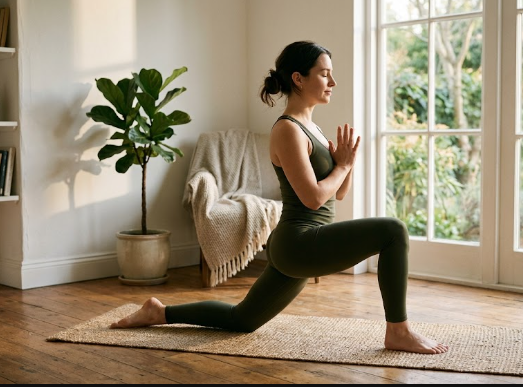
In a fast-moving world filled with work pressure, long hours in front of screens and little time to slow down, maintaining both mental and physical health can be a challenge. Yoga offers a simple way to bring movement, breathing and mindfulness into everyday life, helping people create a healthier balance between the mind and body.
Unlike workouts that focus mainly on physical strength, yoga combines body movements with controlled breathing and mental awareness. This combination can make the practice useful not only for staying active but also for managing everyday stress and improving overall wellbeing.
For many people, one of the biggest challenges of modern life is an overcrowded mind. Thoughts about work, family, finances and the future can continue long after the day is over. Yoga encourages people to concentrate on their breathing and movements, giving the mind an opportunity to step away from these constant distractions.
Breathing exercises and meditation can further support relaxation. By slowing the pace of breathing and paying attention to the present moment, people may find it easier to manage stress and develop a greater sense of calm. Research has found potential benefits of yoga for stress management, although the strength of evidence varies across studies.
The benefits may also extend to heart health. A 2025 systematic review and meta-analysis involving 30 randomised controlled trials and more than 2,200 participants found that yoga was associated with reductions in blood pressure among people with prehypertension or hypertension. However, researchers rated the overall quality of evidence as very low, highlighting the need for larger and better-designed studies.
This means yoga can be a useful addition to a healthy lifestyle, but it should not be treated as a replacement for prescribed medicines or medical treatment. People with high blood pressure should continue to follow their doctor's advice while using appropriate physical activity and stress-management practices as part of their overall care.
Yoga can also help people stay physically active without putting excessive strain on the body. Different poses work different muscle groups while improving flexibility, balance and body awareness. Regular practice can be particularly useful for people who spend much of their day sitting at a desk or working on computers.
Another advantage is that yoga does not necessarily require a gym or expensive equipment. A quiet space and a few minutes of regular practice can be enough to get started. Beginners can begin with gentle stretches and breathing exercises before gradually moving towards more challenging postures.
A simple daily routine could include a few minutes of gentle movement, followed by slow breathing and a short period of relaxation. The aim is not to perform complicated poses but to build a routine that feels comfortable and can be maintained consistently.
The growing popularity of yoga reflects a broader shift in the way people think about health. Staying fit is no longer only about physical exercise. Mental wellbeing, stress management, sleep, nutrition and regular movement all contribute to a healthier lifestyle.
Yoga brings several of these elements together. It gives the body a chance to move while giving the mind a chance to slow down.
Ultimately, yoga is not about achieving a perfect posture or completing an intense workout. Its real value lies in developing a regular habit of movement, breathing and awareness. For someone dealing with the pressures of everyday life, even a few quiet minutes on a yoga mat can become a meaningful step towards feeling healthier, calmer and more balanced.